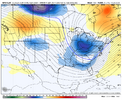
Cutoff doesn’t appear as stranded this run. Now that I said that watch it retrograde 2k miles back to the SW off the coast of Cabo


Cutoff doesn’t appear as stranded this run. Now that I said that watch it retrograde 2k miles back to the SW off the coast of Cabo
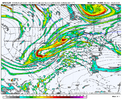
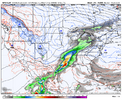

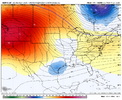
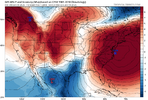
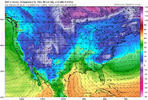
Hmm, yk if we can get that TPV more involved then next weeks deal can become something more then a rain bomb View attachment 181685
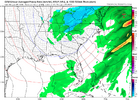
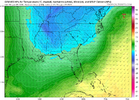
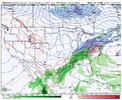

I like that a lot better than most setups where WAA ruins any chance of something mixing in at lower elevations. I would think it’s a bit easier to cool the surface off or trend a few degrees colder in this case versus working with a cooler surface and major warm nose which seems to be a lot more common.
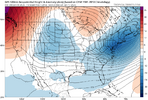
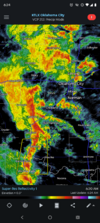
 I’d rather enter a mega drought before I watch this on radar in mid January. I’ll cancel my RadarScope subscription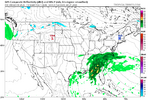
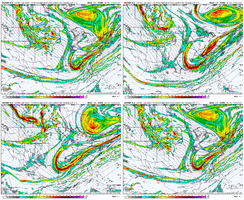

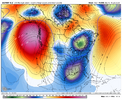

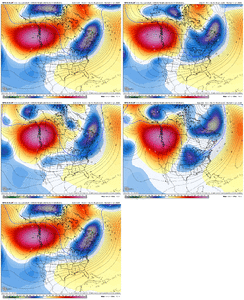
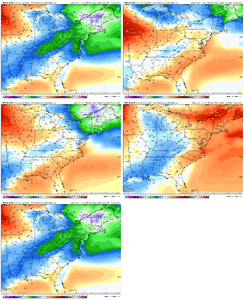

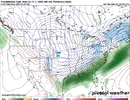
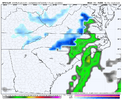
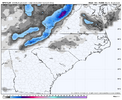
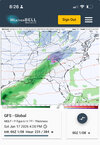
All the ops are on the cusp to doing something for Jan 15th. I' interested to watch next few cycles. Got about a 50% chance to rope something frozen in. Maybe we can pull a rabbit out of the hat.Euro was a good run. Not there yet for the 15th system but very close to something special

Euro should be closer here for the 15-16th
View attachment 181696


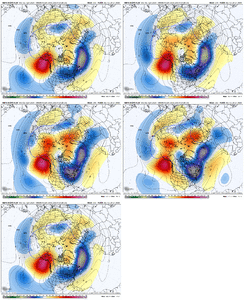
Ugh. Not a fan of this trend. We are losing our cold air and favorable trough position. Bye bye -NAO block. Hopefully we can get some better looks over the next couple of days.
View attachment 181705


Ugh. Not a fan of this trend. We are losing our cold air and favorable trough position. Bye bye -NAO block. Hopefully we can get some better looks over the next couple of days.
View attachment 181705
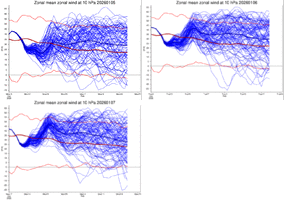


Ugh. Not a fan of this trend. We are losing our cold air and favorable trough position. Bye bye -NAO block. Hopefully we can get some better looks over the next couple of days.
View attachment 181705
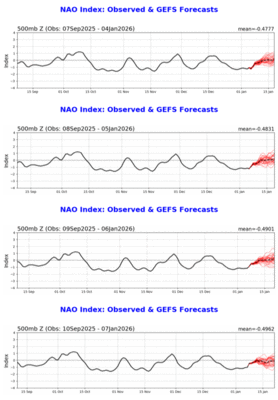

I’m not gonna pretend I know what this means. I just want it to snow in the South.Things have been setup well for a strong +NAM/AO in Feb-Mar this winter
Late winter-early spring +NAM is very typical of El Niño onset years. High solar/east qbo base state makes this more likely, which we talked about months ago

Models are having a hard time sniffing out the wave reflection that usually comes with these North Pacific blocking (-EPO/-WPO) patterns. That plus the east QBO/high solar base state, and the re-strengthening polar vortex aloft following our early-winter stratospheric warming event usually favor +NAM/AO
View attachment 181707

I think it means send the pizza to @LukeBarretteI’m not gonna pretend I know what this means. I just want it to snow in the South.

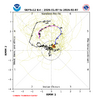
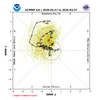
It looks like, for the first time this winter, the MJO is poised to venture far outside of the COD before settling into a lower amplitude 7-8-1 progression into early February. I'd like to think this will help to shake things up in our favor for the last gasp at winter before my unofficial end of winter, February 20th.
View attachment 181719
View attachment 181720
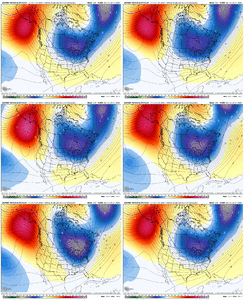
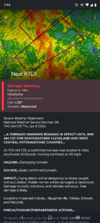
Interesting research! Do you have data to compare with the much colder 70s and 80s?Thanks for posting those. Here’s something I hope you find interesting:
# of days per phase Jans 2011-25 (465 total days)/% of Jan days per phase
1: 17 (only 4%)
2: 26 (only 6%)
3: 67 (14%)
4: 51 (11%)
5: 57 (12%)
6: 101 (a whopping 22%)
7: 104 (a whopping 22%)
8: 42 (9%)
So, since 2011, each of Jan phase 6 and 7 days has been more than twice as common as phase 8 days and a whopping FOUR TO FIVE times as frequent as each of Jan phase 1-2 days!
So, the progs that you showed with a lot of days in 6 and/or 7 (especially GEFS) would fit well with the Jan trend of the last 15 years. I’m suspecting CC is a factor.
Interesting research! Do you have data to compare with the much colder 70s and 80s?