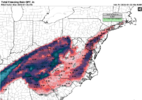
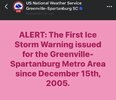
lmao @BAMWeatherLooks like the south trend is confirmed

lmao @BAMWeatherLooks like the south trend is confirmed


I asked ChatGPT “What impact does a banana high-pressure have on winter storms in the southeast?”I really don't exactly know BUT I think this might imply a fill in on the high pressure and no escape hatch, more banana high pressure. It also could pertain to models and the energy flying around having it incorrect. All I do know is the what ContentWeatherGuy said. The northern and southern areas of this still could see HUGE adjustments between now and go time.


 nothing happens.
 ”
”
If only we did this 2 days ago…. View attachment 188141
View attachment 188142
tony romo voice - uhhh idk jim
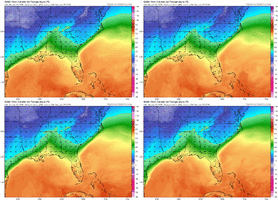


Expect this to continue with the HP staying intact more to the north and the lack of interaction with our Baja low with the northern stream.Trend at 2m temps shows the warm push up the west side of the apps with the lp less and less
View attachment 188160


we don't have a leg to stand on tbh. they said it would trend north and our best and brightest collectively said "get a load of these blowhards" and then it trended north. i hated their smugness but game respects gamelmao @BAMWeather
It's a big jog south with IP/Snow for NC/SC and a bigger impact SE into GA compared to 12z theres still room for improvement for NC/SC and room for more disaster for GAView attachment 188168this would be a life saver for Western/Pidemont of NC and basically all of SC if it verified -- weirdly, worse ZR in NC is in a strip east of the triangle

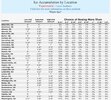
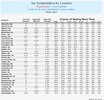
Interesting how the folks at the FFC leave out the county full of towns they are located in. Coweta too.Here is a updated listing of the possible range of ice accumulation by city in the FFC area. The numbers from this mornings version is below for anyone curious to see the difference.
New:View attachment 188162
Old:View attachment 188163


It's a big jog south with IP/Snow for NC/SC and a bigger impact SE into GA compared to 12z theres still room for improvement for NC/SC and room for more disaster for GA
got a sleet version?View attachment 188168this would be a life saver for Western/Pidemont of NC and basically all of SC if it verified -- weirdly, worse ZR in NC is in a strip east of the triangle

Yep, MC got it more right than wrong going back to last Sunday.we don't have a leg to stand on tbh. they said it would trend north and our best and brightest collectively said "get a load of these blowhards" and then it trended north. i hated their smugness but game respects game

Do not buy this map-- it is estimating ptype incorrectly. Check soundings and you will see plenty of ZR in the Upstate and PiedmontView attachment 188168this would be a life saver for Western/Pidemont of NC and basically all of SC if it verified -- weirdly, worse ZR in NC is in a strip east of the triangle
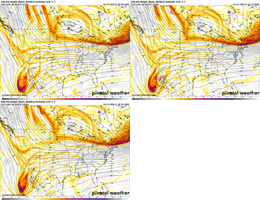
Moreover, it changes many over to plain rain with the final little bit, which may or may not be realistic depending on whether you think it's breaking down the CAD too quickly (which seems likely to me, but I don't have any scientific backing for that aside from the models often do it - and most other models don't do it here).Do not buy this map-- it is estimating ptype incorrectly. Check soundings and you will see plenty of ZR in the Upstate and Piedmont


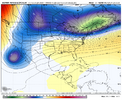
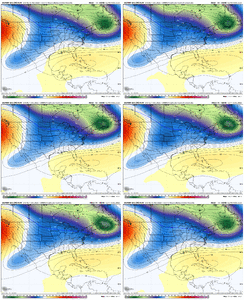
I don't buy into the sounding either.Do not buy this map-- it is estimating ptype incorrectly. Check soundings and you will see plenty of ZR in the Upstate and Piedmont
I can buy the change to plain rain if the low does indeed track up thru WV before jumping off the Jersey coast like the NAM just showed.Moreover, it changes many over to plain rain with the final little bit, which may or may not be realistic depending on whether you think it's breaking down the CAD too quickly (which seems likely to me, but I don't have any scientific backing for that aside from the models often do it - and most other models don't do it here).
that's fine, i'm just telling you that it isn't reflecting its own temp profiles correctly with that mapI don't buy into the sounding either.
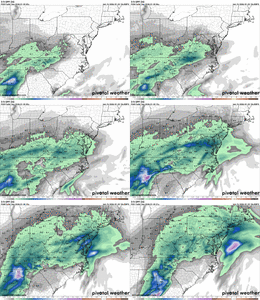
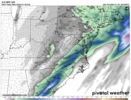
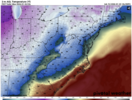

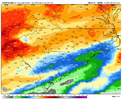

That little adjustment in ice accumulation still helps some. It might make the difference between trees losing branches and coming completely down in some situations.


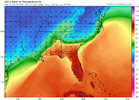
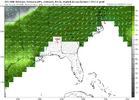
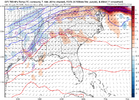
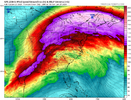

Hasn't finished trending back south yet. They still look like a bunch of blowhards. They said it would continue trending north and become a Chicago storm.we don't have a leg to stand on tbh. they said it would trend north and our best and brightest collectively said "get a load of these blowhards" and then it trended north. i hated their smugness but game respects game