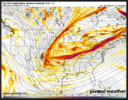
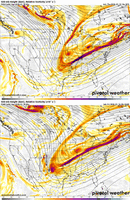
That's true. As someone that is in Atlanta, I have mostly been focusing on that northern edge which shifted SE quite a bit.. but yes, the main batch of moisture didn't move that much.looks like more of an orientation shift than anything

That's true. As someone that is in Atlanta, I have mostly been focusing on that northern edge which shifted SE quite a bit.. but yes, the main batch of moisture didn't move that much.looks like more of an orientation shift than anything

Seen this dog and pony act before when Nashville got last years snow. Snow was expected in Atlanta, I thought Chatttown was in a good place. The models all shifted the precept shield even more south than before, only to later correct about 250 - 300 miles north. Yea, we still have 3 days before this event. I learned from last time to wait until 48hrs before rushing to a sled! I believe this is why Morristown put up they were watching for two scenario's before laying blood to print in their forecast!That's true. As someone that is in Atlanta, I have mostly been focusing on that northern edge which shifted SE quite a bit.. but yes, the main batch of moisture didn't move that much.


Yeah and obviously as others have mentioned we can usually expect to see precip more expansive to the north and west than what globals indicate.Last Jan we had a similar situation where models had no qpf even over Myrtle and Charlotte saw snow. Not saying clt is getting 1-3” but it’s silly to think models have a storm nailed 72hrs out and yet we do this every year.

Yep, the idea that globals or hires has precip shield figured out 72 hrs out is laughable. Last year we saw massive shifts w with qpf inside 18hrs!Yeah and obviously as others have mentioned we can usually expect to see precip more expansive to the north and west than what globals indicate.


Yep, the idea that globals or hires has precip shield figured out 72 hrs out is laughable. Last year we saw massive shifts w with qpf inside 18hrs!

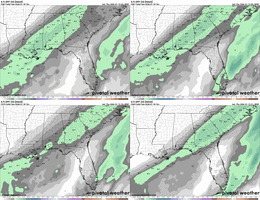


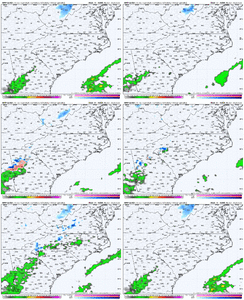
6hr panels are a bit deceiving since it’s sped up timing. It’s east of the last run but still very wet and very west overall.SREF trendsView attachment 183982
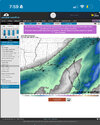
6hr panels are a bit deceiving since it’s sped up timing. It’s east of the last run but still very wet and very west overall.
View attachment 183983

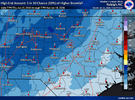
And a 90% chance of nuttin'Well, I’ve got a 10% chance of getting 3”. What could go wrong???
View attachment 183981
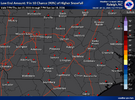
If it wereThis is where I’d like all models to converge and look just Iike this leading up to 12z tomorrow for real
 like times past , other than last year, it would wind up from jackson ms to gadsden line.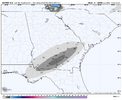

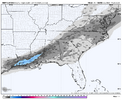
@bouncycorn could give more insight here but it's not as simple as a list of models blended. It's model data from globals, short range, raw model data, corrected biases, models we don't have access to... I believe it's a complicated process. NWS relies on it for guidance but with that said, have no clue what data is causing the higher amounts so far southAnyone know what model(s) is showing amounts in Louisiana/Mississippi that are getting added and highlighted into the National Blend of Models? I’m surprised to see it so active in that area View attachment 183989

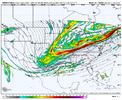

I still see this as being an extremely plausible, if not most likely, depiction of what we will see show up on the short range/hi-res models starting late tomorrow.Anyone know what model(s) is showing amounts in Louisiana/Mississippi that are getting added and highlighted into the National Blend of Models? I’m surprised to see it so active in that area View attachment 183989

I'm a little surprised my area is currently projected to have these totals too, considering today's model trends from all the major models. I am very curious to see what HRRR shows for how the system develops near Louisiana starting tomorrow's runs. It did a pretty good job depicting last January's crush job for our big snow in the lead up to the event, including the general precip shield and totals.Anyone know what model(s) is showing amounts in Louisiana/Mississippi that are getting added and highlighted into the National Blend of Models? I’m surprised to see it so active in that area View attachment 183989
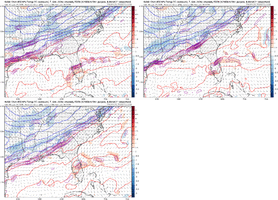
Go ahead and add the HRRR to the amp camp View attachment 183997
Thanks. Fascinating. 0z is out and actually increased totals out west@bouncycorn could give more insight here but it's not as simple as a list of models blended. It's model data from globals, short range, raw model data, corrected biases, models we don't have access to... I believe it's a complicated process. NWS relies on it for guidance but with that said, have no clue what data is causing the higher amounts so far south
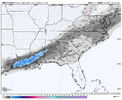
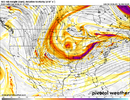
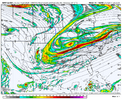

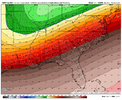

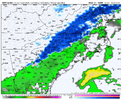 East
East