I will mention that learning how to read radar output is a skill in of itself that you go to school for. But I see your core point.
On high stakes days, there's a "we're all on the same team" ethos between the national agencies, local broadcasters, WFOs and emergency managers. I think this is the directionally correct strategy. You don't want the public to see bickering behind the scenes. It doesn't project confidence and authority on the situation.
Even in a case where the SPC is setting the narrative, you still need weather expertise on site when weather is driving the news. Relying on only the anchors would be like covering the Iran War without a Middle East expert or diplomat.
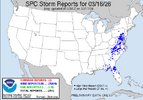
Let's take the contra of yesterday- an unstable environment that produces multiple long track tornadoes. A confirmed tornado has touched down in Fayetteville. Another has touched down in Asheboro. There's another warning for an ominous storm in Wilson. An unseasoned news anchor would flop like a fish out of water here trying to communicate radar output, NWS products, local landmarks, and everything else that makes for adequate in-situ tornado coverage. Days like yesterday, in theory, are exactly why you retain talented in-house scientific capacity.