BAM got you
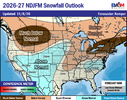


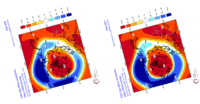
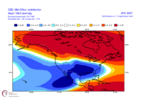
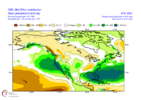

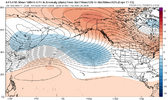
This is a hardcore -AO/-NAO on the Nov release of the UK Met Office GloSea6 (Global Seasonal Forecast System). I would consider the Euro and UK GloSea as the 2 best at predicting the NAO. Of course, who knows if it is correct this year.
Loop of the Oct & Nov runs at 500mb for Jan-Mar - the blues got blue-er! Suppressed storm track with -AO/-NAO.
View attachment 199526
View attachment 199527
View attachment 199528
View attachment 199529

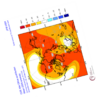
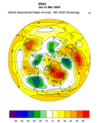


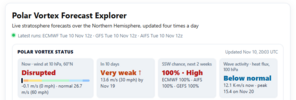
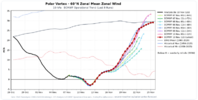
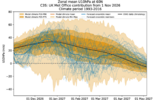
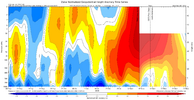
Zonal wind recovery getting pushed back to late November with hints of another weakening toward late December for the SPV.
Sent from my iPhone using Tapatalk


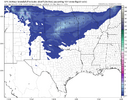

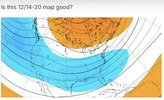
Slop map but even if it verified.. the worst possible timeline for the majority of the board.

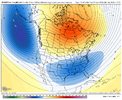 This is an exceptionally nice 30 day mean from roughly Thanksgiving to Christmas

Ill save the bad news for later after we enjoy the cold
No it'll be cold and potentially significantly. Just what is after isn't going to be pretty unless we can get a -naoCold dump in the central/western US and not getting past the Apps around thanksgiving time??
Sent from my iPhone using Tapatalk

Generally still following the typical Nino script, though I think this year isn't going to be quite as mild as either of these years in the SE US and mid-Atlantic perhaps.
Wonder why so many Ninos do this in late Nov. Maybe it has something to do with the South Pacific Convergence Zone overspreading the Subtropical South Pacific at this time of the year (as it often does). Gets into a bit of a chicken-egg argument w/ the MJO forcing this to occur or these climatological changes in the SPCZ attracting the MJO at this specific time of year.


We’ll make sure to spam the chat with photos manJealous that I won’t be able to experience this upcoming pattern with y’all! I really like the VA/NC/ TN folks chances in December for a nice system or two. I’m not a climatologist by any means but things look favorable in my opinion.

Correct me if I'm wrong but I thought you were moving to the Flagstaff area for work? Beautiful country and more snow than we see here. I passed through there back in 04 going to Twentynine Palms CA and if not for uprooting my family I would love to me there.Jealous that I won’t be able to experience this upcoming pattern with y’all! I really like the VA/NC/ TN folks chances in December for a nice system or two. I’m not a climatologist by any means but things look favorable in my opinion.
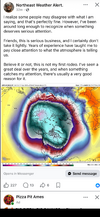
Like, what is this person saying other than that they have experience knowing when something is important? It's a completely worthless post....talking about the X post.Not sure who this is but FWIW..View attachment 199568
Iv said it before and I’ll say it again. Give me cold WHENEVER I can get it. We never know what’s in store. Give me the cold and then I’ll worry about what comes next after. Plus, it’s nice for the holidays to feel like the holidays.I personally would rather not see a -epo in end of November if it follows same script of it turning positive later. Unless your in the favored higher elevations or mountains, be tough to see much winter weather, albeit it had happened before, but not often. I on the bandwagon of the niño "surprising" alot of people and it being colder than one believes