Temps running between 8-12 degrees up in the high country this a.m.




Even Gainesville, FL ( Phil's hometown) may radiate down to 32 tonight !From summery low 90s in some areas just a few days ago back to winter now! It was down to 32 all of the way down to parts of N FL including Cross City, Crestview, and Pensacola! KSAV was 34.
Look out tonight for areas that radiate decently to have even colder lows.

Even Gainesville, FL ( Phil's hometown) may radiate down to 32 tonight !

My thermometer said 28 this morning.Indeed, Phil would have been excitedly posting about “Hogtown”.
I saw that Americus dropped at least down to 32 and was still only 33 at 9AM!


I do not look forward to the summer 92/76. Wish it could stay like this.Love this temp today. Could do with less wind but the crisp temp feels awesome, especially with full sun.


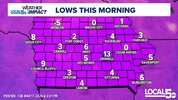
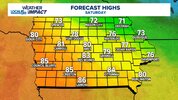


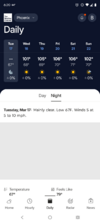
What month is it again. I'm confused
Their earliest 100 on record is March 26th!
View attachment 195184
This is certifiably insane.

LOL. They have an Extreme Heat Warning for 3 straight days in March.Yeah we may not even a set record here tbh
But like the earliest 105 in Phoenix is April 20th. This is truly unheard of there

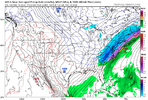
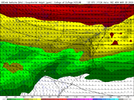
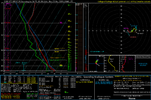
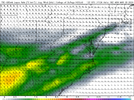
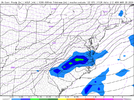
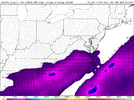
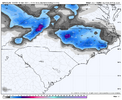
NiceUmmm….not one but two 0Z GFS NC snowstorms in late March: yeah, sure…
View attachment 195188
View attachment 195189

25 this morning
It didn't even make it to Freezing in Atlanta this morning ! Yesterday may end up being the last freeze of the season for Atlanta.I’m impressed with your location’s radiational cooling abilities.
Hogtown got down to 30! Impressive radiation like usual.
KSAV 31 (official station, the airport)
KSVN 34
It didn't even make it to Freezing in Atlanta this morning ! Yesterday may end up being the last freeze of the season for Atlanta.

28 here 40 miles east of the UHI of Hotlanta.Yep, only down to 33 at KATL while FFC, W ATL, NE ATL, and AHN dipped to 27-29.

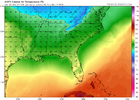
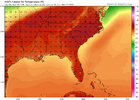
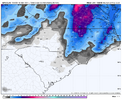
Just a little relief before our big winter storm to end the month!March in 2 frames, within the same week View attachment 195191View attachment 195192