lexxnchloe
Member
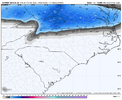
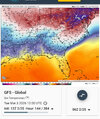
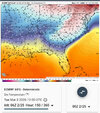
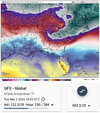
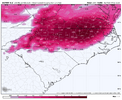
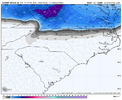
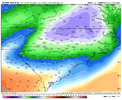
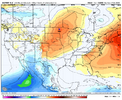
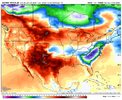
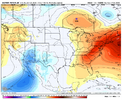
Reg Euro says lets get some March madness going
324
342
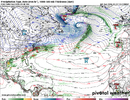
360
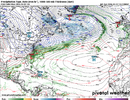
324
342
360

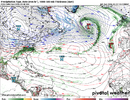
why are we zoomed over the atlantic ocean lolReg Euro says lets get some March madness going
324
View attachment 194474
342
View attachment 194475
360
View attachment 194476

I've asked the same thing before. I think he doesn't understand that there's also a US view. It's probably a cached view that shows up on his computer from hurricane season and he's not sure how to change it to the US.why are we zoomed over the atlantic ocean lol

I forget why but read it is less common to receive frz rn the later in the season you get more common to get snow if the temp support it. Anyone now why?
I forget why but read it is less common to receive frz rn the later in the season you get more common to get snow if the temp support it. Anyone now why?

Sun starts winning vs low level coldI forget why but read it is less common to receive frz rn the later in the season you get more common to get snow if the temp support it. Anyone now why?

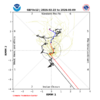
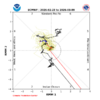


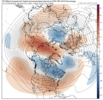

I think this is basically it. Radiational heating at the surface from the increasing sun angle gets harder and harder to beat as we move towards the spring equinox. That being said, there are exceptions to the rule, like the major ice storm of March 2014 for N NC, the worst ice storm the area has had since December 2002 (of course, many didn’t believe in it because major ice storms in March aren’t usually a thing).If this is true (it is believable and KATL stats support this idea…..maybe someone could check RDU/GSO), my guess would be because upper levels are slower to warm on average than lower levels. The lower levels are likely quicker to warm from the higher sun angle.
I believe that Feb may actually average slightly colder than Jan in many locations at H5 despite being slightly warmer than Jan at 2m.
I think this is basically it. Radiational heating at the surface from the increasing sun angle gets harder and harder to beat as we move towards the spring equinox. That being said, there are exceptions to the rule, like the major ice storm of March 2014 for N NC, the worst ice storm the area has had since December 2002 (of course, many didn’t believe in it because major ice storms in March aren’t usually a thing).
Didn’t Atlanta get a major ice storm in March 1973 or something?
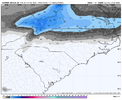

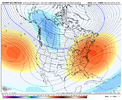
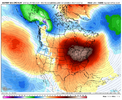
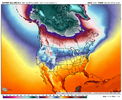
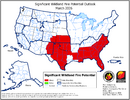

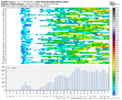
Not at all what you want to see. View attachment 194538

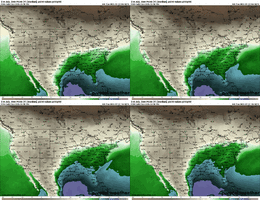
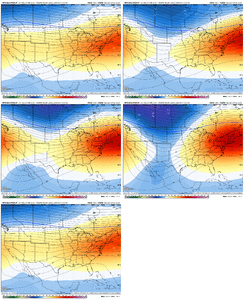
View attachment 194542
View attachment 194543
Coinciding with the jet stream starting to displace itself more to the south through GEFS/EPS trends, instability will be plenty for any pacific trough that traverses past the Rocky Mtns it appears.
View attachment 194542
View attachment 194543
Coinciding with the jet stream starting to displace itself more to the south through GEFS/EPS trends, instability will be plenty for any pacific trough that traverses past the Rocky Mtns it appears.
i’m gonna be stuck with a march classic around these parts, 33-36 with rain.I dont think we can throw away a icing/snow potential in NC around early March away just yet
View attachment 194546View attachment 194547

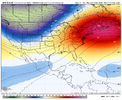
Everything blooms out then we get the mid-March freeze. You know it's coming.Absolutely amazing progression for early summer like warmth there with the mean longwave trough setting out the NW/western US. Can’t wedge here after mid next week with the mean ridge axis over the Bermuda Triangle. One of those patterns that’s easy 75-85 / 50-60 once the mean ridge moves slightly east for a while until it breaks View attachment 194548
Oh I know. Can already see the signs at the end of the AIFS ens especiallyEverything blooms out then we get the mid-March freeze. You know it's coming.
good I need to send the woolly mammoths back north from the coldest winter everEverything blooms out then we get the mid-March freeze. You know it's coming.


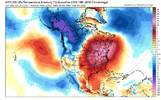

Something stupid is gonna happen in mid to late March. I mean if this polar vortex hooblah happens, someone is gonna get some sort of anomaly storm.Unfortunately, it may be time to piss on the fire and call in the dogs. We had a great run. It’s unfortunate we couldn’t mix another one in there during February but hey. View attachment 194549

Something stupid is gonna happen in mid to late March. I mean if this polar vortex hooblah happens, someone is gonna get some sort of anomaly storm.
Co signSomething stupid is gonna happen in mid to late March. I mean if this polar vortex hooblah happens, someone is gonna get some sort of anomaly storm.

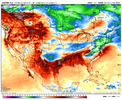
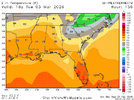

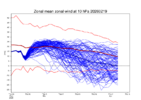
Well looks like we’re staring at another fairly strong SSWE early March. Probably will start see the effects of that mid March through early April imo.

Yeah, that’s the same system the AI Euro has been keying on at times. VA has a better shot at it, but it’s worth watching here, I suppose, even if the chance is fairly remote. Looks good for @LukeBarrette.The 0z CFS had an ice to snow event across portions of the southeast next week
Sent from my iPhone using Tapatalk