I feel quite confident my area in WNC gets hammered at some point this winter, I hope we have multiple threats and those farther SE get a hit at some point. Only time will tell, but I’m far from pessimistic right now

-
Hello, please take a minute to check out our awesome content, contributed by the wonderful members of our community. We hope you'll add your own thoughts and opinions by making a free account!
You are using an out of date browser. It may not display this or other websites correctly.
You should upgrade or use an alternative browser.
You should upgrade or use an alternative browser.
Wintry Winter 26-27
- Thread starter SD
- Start date
John1122
Member
There are sparse reports from East Tennessee in 1791-92, but one of them notes very deep snows and icy conditions around Cumberland Gap, and the Appalachian passes in Jan and Feb, making it really hard to get supplies into East Tennessee and points West. The Wilderness road which ran along the SW Va and Northern Tennessee boarder was reportedly near impassable mid winter due to drifted snow, icy conditions and extreme cold with travelers having to turn back. The path from Knoxville to Nashville across the Cumberland Plateau had similar reports with a low supply winter for people in the upper Cumberland river basin reported. Not sure how it translated further South or East of here.Be curious if you have any data or publications that point to what the winters of 1877-78 and 1791-92 were like there. Some of the colonial era records from the founding fathers of the 1791-92 winter (a super Nino) note it was unusually warm and wet compared to the years around it in the mid Atlantic

Every week of the new EWs weeks 2-6 is warmer than yesterday’s run in the E US as a whole. Some of the weeks are only slightly warmer, but week 2 is more than slightly warmer, especially in the SE. Also, week 3 is notably warmer. There’s nothing good about today’s run if you prefer it cold in the E US through Jan 3rd. Although I prefer it cold, I call them as I see them even if not what I want and I can’t sugarcoat this. From that standpoint, about the only good news is that the S remains out of the AN weeks 4-6….for now.
Week 2 is now bordering on a torch with the 3rd shade of warmth over most of the SE unlike little of it being in that shade yesterday:
Yesterday week 2 (11/30-12/6):
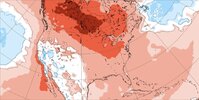
Today’s week 2: much of SE 6-8+ AN
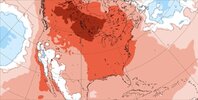
@Webberweather53
Week 2 is now bordering on a torch with the 3rd shade of warmth over most of the SE unlike little of it being in that shade yesterday:
Yesterday week 2 (11/30-12/6):
Today’s week 2: much of SE 6-8+ AN
@Webberweather53

Wasn’t this just showing cold a few days ago lol.Every week of the new EWs weeks 2-6 is warmer than yesterday’s run in the E US as a whole. Some of the weeks are only slightly warmer, but week 2 is more than slightly warmer, especially in the SE. Also, week 3 is notably warmer. There’s nothing good about today’s run if you prefer it cold in the E US through Jan 3rd. Although I prefer it cold, I call them as I see them even if not what I want and I can’t sugarcoat this. From that standpoint, about the only good news is that the S remains out of the AN weeks 4-6….for now.
Week 2 is now bordering on a torch with the 3rd shade of warmth over most of the SE unlike little of it being in that shade yesterday:
Yesterday week 2 (11/30-12/6):
View attachment 200020
Today’s week 2: much of SE 6-8+ AN
View attachment 200021
@Webberweather53

Tarheels GoodJet extension Bad
Jet retraction Bad
Jet puffed marshmallows Bad
Jet by Wings Bad
Jetsons Bad
Impossible to win
Wasn’t this just showing cold a few days ago lol.
No, but the same week was NN 5 runs ago:
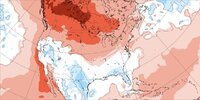

This afternoon cfs went from a D- overnight to an A-/B+ from around 12/8ish onward.
Check out this wild / never seen before cat 1 Cane pressure over western PA/ wraparound
Check out this wild / never seen before cat 1 Cane pressure over western PA/ wraparound

"Meteorological Diary" from Warrenton, NC (NNE of Raleigh) from January 1792 shows 6 days of snow, sleet (hail), or freezing rain during the month, with snow on the ground from Jan 12 to Jan 31....sounds like a winter for Rain Cold. Diary only available for January of that winter it seems.Be curious if you have any data or publications that point to what the winters of 1877-78 and 1791-92 were like there. Some of the colonial era records from the founding fathers of the 1791-92 winter (a super Nino) note it was unusually warm and wet compared to the years around it in the mid Atlantic
Bigedd09
Member
"Meteorological Diary" from Warrenton, NC (NNE of Raleigh) from January 1792 shows 6 days of snow, sleet (hail), or freezing rain during the month, with snow on the ground from Jan 12 to Jan 31....sounds like a winter for Rain Cold. Diary only available for January of that winter it seems.
Hail? Assuming sleet?
Sent from my iPhone using Tapatalk

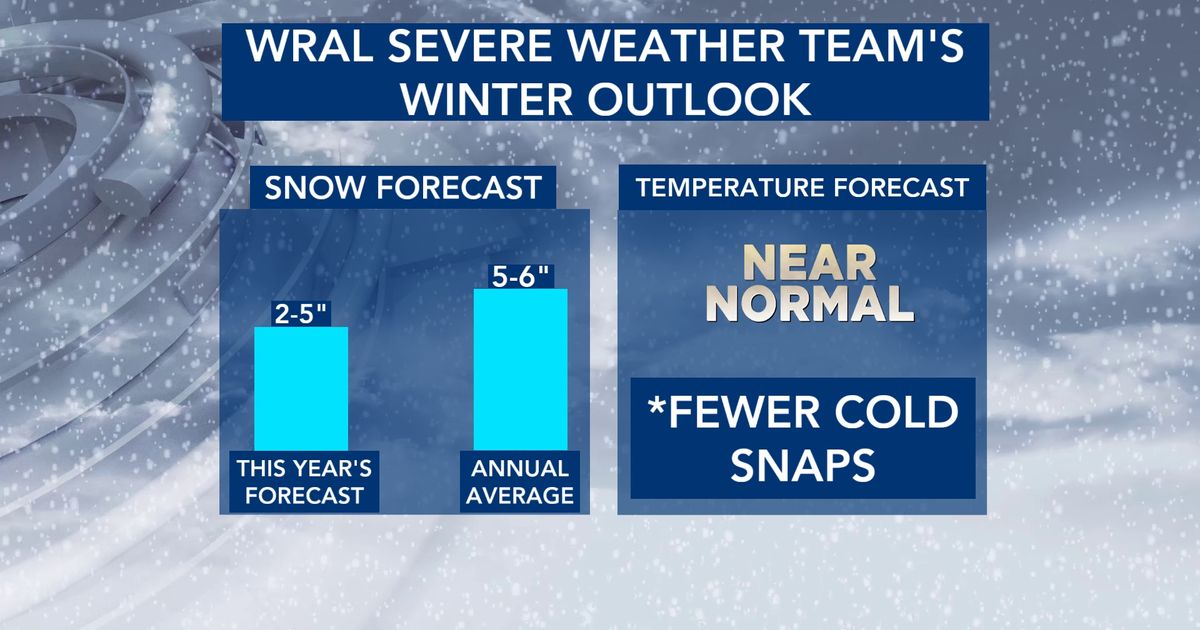
WRAL calling for 2 to 5 inches of snow for Raleigh this winter.
 www.wral.com
WRAL Winter Outlook: What a strong El Niño could mean for our winter
A potentially historic El Niño could be exactly what we need to help with the drought over the winter.
www.wral.com

Tsappfrog20
Member
WRAL calling for 2 to 5 inches of snow for Raleigh this winter.
WRAL Winter Outlook: What a strong El Niño could mean for our winter
A potentially historic El Niño could be exactly what we need to help with the drought over the winter.
I would take that in a heartbeat!
Sent from my iPhone using Tapatalk

Yea I think of it this way. General public mixes up hail with sleet all the time. Not surprising someone would also do the same back in 1792.Hail? Assuming sleet?
Sent from my iPhone using Tapatalk
Last edited:

Right imby, I remember it like it was yesterday"Meteorological Diary" from Warrenton, NC (NNE of Raleigh) from January 1792 shows 6 days of snow, sleet (hail), or freezing rain during the month, with snow on the ground from Jan 12 to Jan 31....sounds like a winter for Rain Cold. Diary only available for January of that winter it seems.

Webberweather53
Meteorologist
Jet extension Bad
Jet retraction Bad
Jet puffed marshmallows Bad
Jet by Wings Bad
Jetsons Bad
Impossible to win
December is one of those instances where you have to choose between the lesser of two evils because the mean state isn’t favorable for cold.
In this case, an extension would favor more cold/less warmth in the SE US due to more undercutting of the Canadian ridge, granted it wouldn’t exactly be cold either.
In November, the mean jet is weaker and more retracted so an extension at that time of the year can yield the same mild result (sensible weather wise) as a retraction in Dec, though the patterns are still different in some sense.
We’re getting reminded of what would happen in December if we had a weaker/less east-based El Niño (like 2015).
Webberweather53
Meteorologist
"Meteorological Diary" from Warrenton, NC (NNE of Raleigh) from January 1792 shows 6 days of snow, sleet (hail), or freezing rain during the month, with snow on the ground from Jan 12 to Jan 31....sounds like a winter for Rain Cold. Diary only available for January of that winter it seems.
Interesting stuff, that seems sensible with Nino climo because mid-late January is usually not too bad.
I wonder how that winter compares to what’s around it because that would give us more of an apples to apples type comparison.
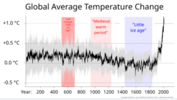
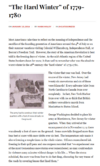
Probably would have been a perfect, true 4 season climate for us freaks on here during the Little Ice Age. It looks like 1779-1780 was a particularly harsh oneInteresting stuff, that seems sensible with Nino climo because mid-late January is usually not too bad.
I wonder how that winter compares to what’s around it because that would give us more of an apples to apples type comparison.
tennessee storm
Member
Interesting say the least , but climate has just changed so much since those glory old daysProbably would have been a perfect, true 4 season climate for us freaks on here during the Little Ice Age. It looks like 1779-1780 was a particularly harsh one
View attachment 200030
View attachment 200031
tennessee storm
Member
Nws Memphis going with 1 to 3 total for this winter . Take itWRAL calling for 2 to 5 inches of snow for Raleigh this winter.
WRAL Winter Outlook: What a strong El Niño could mean for our winter
A potentially historic El Niño could be exactly what we need to help with the drought over the winter.
Sky86
Member
Fab FebThe pacific jet is indeed extended earlier in winter in observations, it’s just poleward shifted which means it’s warmer over North America typically.
The equatorward shifted in the pacific jet that’s tied to the climatological southward of the SPCZ during northern winter is what drives a lot of the typical North America El Niño winter variability (i.e. mild December followed by cooler/snowier mid to late winter).
We normally reach a breaking point with the jet & SPCZ position in early to mid January where the wave fluxes become trapped within the southern branch of the jet and are more easily communicated into the North Atlantic, leading to more frequent and intense -NAOs in late winter and polar vortex disruption/stratospheric warming events.
Optimist Club Top story for the day: Overnight CFS says Merry Christmas and Not to be booking any tee-times!
Latest Blog from Judah. Boatload to unpack. Not all ssw's the same etc. Very imformative. Hit the link.
Highlight:
"I just don’t agree with the idea that no matter what the PV does, that it will remain mild in the Eastern US regardless because the El Niño is too big to fail. It is a fine line between a Canadian Warming which is favored this winter and supports a very mild Eastern US and a stretched PV that supports a colder Eastern US. Furthermore, I see no reason why we can’t see at least episodically stretched PVs and cold air outbreaks this winter. And I even leave open the possibility we see more than a few stretched PVs this winter."
Also in regards to warmer sst's in NA / should equate to a -NAO setting up most of winter. Talks about at end of article.

A more interesting thing about the CFS run is how close other events are earlier in the run. Just need a little tweaking and we get a winter storm anytime from day 16 onwards.Optimist Club Top story for the day: Overnight CFS says Merry Christmas and Not to be booking any tee-times!
Remember that the potential warmth of Dec ‘26, should it actually materialize for much of the E US (which is favored per climo even moreso outside of the SE) would have little bearing on what Feb and even Jan will have to bring, especially in the SE. For example, two of the most E based super Ninos 1877-8 and 1982-3, were significantly colder in Jan vs Dec in the SE.
Looking at all 9 super Ninos on record in the SE, Jan of 6 of the 9 (1878, 1958, 1966, 1973, 1983, and 2016) were all much colder than the preceding Dec and even 1992 was significantly colder than Dec in many locations. Only 1889 and 1998 weren’t colder in Jan than their preceding Decembers, which had the two coldest Decembers of the 9. So, not that it has to work this way, but it’s almost as if it is a pick your poison from a cold lovers standpoint. Do you want your cold in Dec and then quite possibly not have it in Jan or would you prefer it instead in Jan (and possibly Feb)? None had it cold in both Dec and Jan.
Looking at all 9 super Ninos on record in the SE, Jan of 6 of the 9 (1878, 1958, 1966, 1973, 1983, and 2016) were all much colder than the preceding Dec and even 1992 was significantly colder than Dec in many locations. Only 1889 and 1998 weren’t colder in Jan than their preceding Decembers, which had the two coldest Decembers of the 9. So, not that it has to work this way, but it’s almost as if it is a pick your poison from a cold lovers standpoint. Do you want your cold in Dec and then quite possibly not have it in Jan or would you prefer it instead in Jan (and possibly Feb)? None had it cold in both Dec and Jan.

Drizzle Snizzle
Member
I'll take the cold in Dec over Jan every time. I love snow and cold around Christmas time more than any other time of the year.Remember that the potential warmth of Dec ‘26, should it actually materialize for much of the E US (which is favored per climo even moreso outside of the SE) would have little bearing on what Feb and even Jan will have to bring, especially in the SE. For example, two of the most E based super Ninos 1877-8 and 1982-3, were significantly colder in Jan vs Dec in the SE.
Looking at all 9 super Ninos on record in the SE, Jan of 6 of the 9 (1878, 1958, 1966, 1973, 1983, and 2016) were all much colder than the preceding Dec and even 1992 was significantly colder than Dec in many locations. Only 1889 and 1998 weren’t colder in Jan than their preceding Decembers, which had the two coldest Decembers of the 9. So, not that it has to work this way, but it’s almost as if it is a pick your poison from a cold lovers standpoint. Do you want your cold in Dec and then quite possibly not have it in Jan or would you prefer it instead in Jan (and possibly Feb)? None had it cold in both Dec and Jan.

trackersacker
Member
I like the way we did it in 09-10. Had a big snowstorm a week before Christmas, thawed out second and third weeks of January and then winter came back the last week of January.I'll take the cold in Dec over Jan every time. I love snow and cold around Christmas time more than any other time of the year.

GeorgiaGirl
Member
Remember that the potential warmth of Dec ‘26, should it actually materialize for much of the E US (which is favored per climo even moreso outside of the SE) would have little bearing on what Feb and even Jan will have to bring, especially in the SE. For example, two of the most E based super Ninos 1877-8 and 1982-3, were significantly colder in Jan vs Dec in the SE.
Looking at all 9 super Ninos on record in the SE, Jan of 6 of the 9 (1878, 1958, 1966, 1973, 1983, and 2016) were all much colder than the preceding Dec and even 1992 was significantly colder than Dec in many locations. Only 1889 and 1998 weren’t colder in Jan than their preceding Decembers, which had the two coldest Decembers of the 9. So, not that it has to work this way, but it’s almost as if it is a pick your poison from a cold lovers standpoint. Do you want your cold in Dec and then quite possibly not have it in Jan or would you prefer it instead in Jan (and possibly Feb)? None had it cold in both Dec and Jan.
Yeah, I know Christmas was warm last year, but it ended up not mattering ultimately because of the period of January 15th-February 7th.
I guess it's come down to if we can get winter, it's going to be in small windows of time now. But I'll wait to late next month before I choose if whether I'll throw my towel in or not.

SnowNiner
Member
December +4
January +2
February +6
January +2
February +6

What did the CFS show for early December back in early November/October?
BuCoVaWx
Member
That was one of the best winters I've experienced. The December 18th storm buried my area for about a month. My power and water was out for 3 weeks. It seemed like it snowed on and off until spring that year. That storm reminded me of the 93 blizzard, but I was only 8 years old during that one. Sadly I've chased the 09 storm for every winter after, odds are very slim that I'll experience that again.I like the way we did it in 09-10. Had a big snowstorm a week before Christmas, thawed out second and third weeks of January and then winter came back the last week of January.

Brent
Member
I like the way we did it in 09-10. Had a big snowstorm a week before Christmas, thawed out second and third weeks of January and then winter came back the last week of January.
Yeah I've read so many stories here about Christmas Eve 2009... I think that's why people say our winters aren't what they used to be because I mean we had 60 mph winds and 3 inch an hour rates then right when the stores were closing...
There were blizzard conditions all the way down to the DFW suburbs that night. Nothing has come close since
I've seen January and February storms since I've been here tbh. It's time for a December one
Last edited:
I like the way we did it in 09-10. Had a big snowstorm a week before Christmas, thawed out second and third weeks of January and then winter came back the last week of January.
Everybody didn't get hit flush, but I'd say the 2009-2010 winter 500mb pattern over the full Dec-Mar period was the best of all-time in the historical recordThat was one of the best winters I've experienced. The December 18th storm buried my area for about a month. My power and water was out for 3 weeks. It seemed like it snowed on and off until spring that year. That storm reminded me of the 93 blizzard, but I was only 8 years old during that one. Sadly I've chased the 09 storm for every winter after, odds are very slim that I'll experience that again.
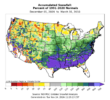

Those snowfall departures?December +4
January +2
February +6
Days with temps below 70 is my guess!Those snowfall departures?

ghost1
Member
Fatties been coming down here all morning


Now show us the polar plunge!

Shadypines33
Member
Holy moly, y'all! In all my decades, I have never seen snowflakes on Thanksgiving!
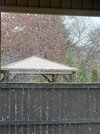

Everybody didn't get hit flush, but I'd say the 2009-2010 winter 500mb pattern over the full Dec-Mar period was the best of all-time in the historical record
View attachment 200051
View attachment 200052
One thing about that second image just screams how bad reporting data is across central AL and GA.
ILovesnow
Member
its snowing here
I hear ya, yeah those maps can be off in some areasOne thing about that second image just screams how bad reporting data is across central AL and GA.
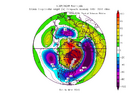
I don’t know whether or not the CFS is any good at predicting the SPV over a month in advance, but fwiw the latest 12 run CFS ens mean has a significantly warmer than normal SPV in Jan of 2027 (see image below…note that these colors don’t represent anomalies) at 10 mb/60-90N. The Jan normal is -58C and this latest CFS mean has ~-46 to -47C or ~11-12C AN. That would based on data since 1979 put the Jan 2027 SPV at ~85th percentile of warmth for all Jans and ~80th percentile of warmth for the 15 Nino Jans.
The CFS 12 run mean has been insisting on a weak SPV for quite awhile.
Keep in mind though that a warm Jan SPV doesn’t necessarily mean a cold Jan or even Feb. in the E US averaged out although it does imply a much higher than normal chance for a major SSW (reversal) in Jan, which would up the ante as far as chances for a multi week long cold period in the E US starting a few weeks later (starting between ~Jan 15th-20th and Feb 15th). Often, an SSW is accompanied by a mild concurrent E US as the cold, if it is generated from this, comes later.
For the 48 Jans 1979-2026, only 11 of them (23%) had a major SSW. But when just looking at the 7 Jan strats ~as warm as what the CFS is progging, 5 (71%) had a reversal or three times the normal chance including the Nino Jans of 2003 and 1987.
Latest 12 run averaged CFS ens mean 10 mb temps/hts shows a weak SPV due to a strongly displaced SPV center (far S of the N pole at 68N):
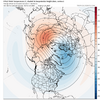
The CFS 12 run mean has been insisting on a weak SPV for quite awhile.
Keep in mind though that a warm Jan SPV doesn’t necessarily mean a cold Jan or even Feb. in the E US averaged out although it does imply a much higher than normal chance for a major SSW (reversal) in Jan, which would up the ante as far as chances for a multi week long cold period in the E US starting a few weeks later (starting between ~Jan 15th-20th and Feb 15th). Often, an SSW is accompanied by a mild concurrent E US as the cold, if it is generated from this, comes later.
For the 48 Jans 1979-2026, only 11 of them (23%) had a major SSW. But when just looking at the 7 Jan strats ~as warm as what the CFS is progging, 5 (71%) had a reversal or three times the normal chance including the Nino Jans of 2003 and 1987.
Latest 12 run averaged CFS ens mean 10 mb temps/hts shows a weak SPV due to a strongly displaced SPV center (far S of the N pole at 68N):
Last edited: